
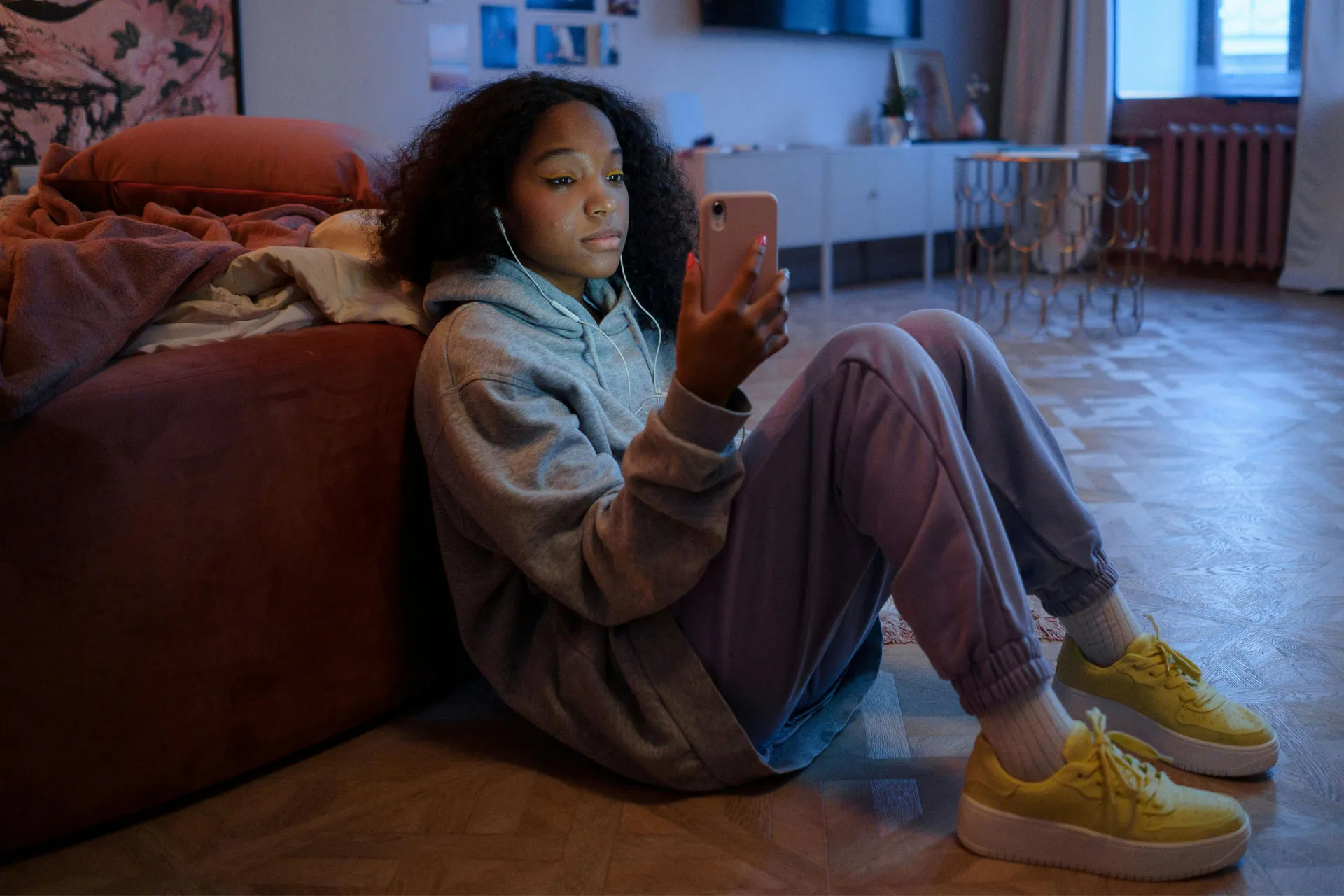
Many teens experience discomfort in social situations, leading them to withdraw from groups or social situations. With some mental health conditions being destigmatized and even promoted in the media, teens might start wondering about social anxiety vs shyness. Understanding the difference between social anxiety and shyness can help them seek support when needed and in the right places.
As a facility working not only with adults but with teens as well, we at Time Wellness behavioral health Georgia center would like to help both parents and teens understand the topic of shyness and social anxiety, key shyness vs social anxiety differences, and what the best ways to support someone struggling are.
What Is Shyness?
One definition of shyness is the persistent feeling of awkwardness that some people experience when approaching or receiving approaches from others. Shyness is closely linked to a heightened sense of self. Excessive self-consciousness, negative self-evaluation, and negative self-preoccupation are frequent for someone who is shy. Shyness can be heightened for teens as they have to navigate many new situations (such as those related to classes, friendships, and puberty).
Shyness manifests in many ways. Shy teens may hesitate before trying something new, prefer watching others before joining in on a group activity, avoid eye contact, or be reluctant to start a conversation in one-on-one situations. Shyness can be mild, medium, or intense. The intense shyness is what makes some discuss the shyness vs social anxiety differences.

Parents start looking into shyness vs social anxiety differences once their teen starts withdrawing in front of other people.
What Is Social Anxiety?
Social anxiety is a disorder that goes beyond simple shyness. It´s a marked or persistent fear of one or more social or performance situations. A teen suffering from social anxiety will feel an overwhelming fear of judgment and embarrassment. Fear or anxiety is out of proportion to the actual threat posed by the social situation as determined by the person’s cultural norms. Social situations may be interaction, observation, and performance, and while everyone occasionally worries in these situations, socially anxious people will worry so excessively that they might start planning or playing out situations in their heads for weeks in advance.
The fear and worry could also be related to the visible display of signs of anxiety. A socially anxious adolescent believes that they would be exposed to the scrutiny of others. The discomfort and worry they feel can be so overwhelming they result in an anxiety attack.
One of the reasons for interest in the social anxiety vs shyness dilemma is the fact they share some symptoms. Those struggling with social anxiety could experience trembling, perspiration, heart palpitations, and blushing. While shared symptoms, what sets them apart is the intensity. Additionally, teens with social anxiety will be extremely nervous and show avoidant behavior.
Key Differences Between Social Anxiety and Shyness
Understandably, some people struggle to see the difference between social anxiety and shyness. Someone who is very shy might be characterized as socially anxious, and similarly, social anxiety might go undiagnosed if seen as a more severe shyness. Additionally, these two states share some physical symptoms.
However, there are some important shyness vs social anxiety differences:
-
The impairment of functioning that it causes in a teen’s life. While both states imply nervousness and worry, unlike shy teens, socially anxious ones will plan their activities for weeks and months to avoid what triggers their anxiety.
-
The intensity of the fear. Some level of fear is present for both shy and socially anxious teens, but in the case of later, it´s overwhelming and sometimes paralyzing (e.g., public speaking situations).
-
The level of avoidance. Shy teens might hesitate before joining a group or an activity, but they will eventually do it. Socially anxious teens, however, will display avoidant behavior and do their best to avoid situations triggering anxiety. Shy teens also feel comfortable with familiar people, while the same can´t be said for socially anxious teens.
Georgia teens face unique challenges in distinguishing between social anxiety and shyness because of a culture that often values extroversion and community involvement. With frequent social and family events, teens who struggle with social anxiety may feel heightened pressure to conform to social expectations. In those cases, opting for anxiety treatment in Georgia mental health facilities might be the best choice.

The key difference in the social anxiety vs shyness debate is the need to intervene professionally.
How to Help Teens with Shyness or Social Anxiety
Based on all shyness vs social anxiety differences, one can easily conclude that these two occurrences require a different approach to addressing them.
As shyness relates to fear of being negatively evaluated, shy teens need help with confidence. Their being included in confidence-building activities or those contributing to the feeling of self-efficacy could help them feel better about themselves and fear less other people´s opinions. Shyness manifests early, so gradual exposure to social situations can also build their social competencies and desensitize them to situations that cause feelings of nervousness.
Social anxiety in teens is a disorder, and as such, it´s best addressed by Georgia mental health services. Psychotherapy is a great tool to access anxiety-related issues. Cognitive-behavioral therapy (CBT) can help identify dysfunctional patterns of thinking, believing, or feeling, leading to anxiety. It can also work on developing new patterns as well as skills and healthy coping mechanisms.
When to Seek Professional Help
It might be challenging to spot signs of social anxiety in your teenager, as many symptoms start manifesting outside of your home, typically at school. Some more typical signs to pay attention to include avoidance of school or social interactions or intense fear in everyday situations. Once you notice them, you can count on structured support in the form of teenage mental health treatment in Atlanta. Teens are usually open to therapy once they realize the difference between shyness and social anxiety and how their lives can change for the better.
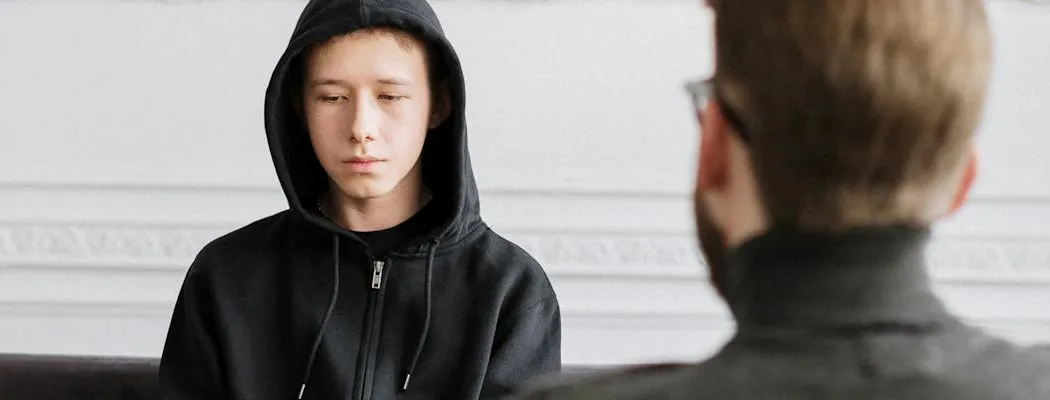
One of the best ways to support a struggling teenager irrelevant to social anxiety vs shyness differences is creating a psychologically safe space to express themselves.
Supporting Teens on Their Mental Health Journey
Both shyness and social anxiety are manageable. What teens need is an understanding of the social anxiety vs shyness distinctions and the right support. In situations where you can´t provide them with the kind of support they need, you can turn to professionals. They can help your teen develop healthy strategies for overcoming their struggles. Don’t hesitate to reach out to Time Wellness Georgia mental health experts for guidance and advice.